









What Makes A Ski Resort Good For Après-Ski?
The best après-ski resorts seamlessly transition from mountain to village, starting with sun-drenched terrace bars on home runs and at the base of the slopes, and continuing into vibrant village nightlife. True après-ski culture begins the moment the lifts close, with live music, dancing, and a social atmosphere that is as much a part of the holiday as the skiing itself. Resort size, charming village centres, a good density and selection of bars and restaurants are the key ingredients, as well as spa and wellness, shopping and other activities and events.
Après-Ski
For most skiers, après-ski is an essential element of a memorable ski holiday, for some it’s the main attraction, some like vibrant slopeside bars for partying, others prefer a more relaxing après-ski scene with emphasis on dining and other activities, rather than drinking and dancing. Different strokes for different folks; après-ski preferences vary considerably from one age group to the next, as well as for couples and families with young children.
However, most skiers would prefer not to spend a week in a ski resort where the skiing is great, but the slopeside bars empty quickly after 6pm, by 9pm the village is lifeless and you’re wondering where everyone went. A ski holiday without a lively social atmosphere can be a perfectly pleasant experience, but not if “après-ski” is high on your list of priorities.
Traditionally, and particularly in Austria, après-ski meant drinks and partying with ski boots on in the window between the lifts closing (typically 4:00-4:30pm) and dinner. This two- to three-hour window is what most people mean when they talk about après-ski, and it’s where the real energy is. The best resorts make this window feel effortless; the venues are in the right places, the music is right, and the crowd is there because the whole resort revolves around it. Later evening nightlife is a separate consideration and varies enormously even within the top-ranked resorts.
Nowadays, new regulations in some of the best-known resorts in Austria have changed the atmosphere away from rowdy slope-side partying in favour of après-ski in the village. For example, police in St Anton enforce no ski boots in the centre of town after 8pm, and have zero tolerance for disorderly conduct and public nuisance caused by intoxicated individuals. Likewise, strict local rules in Ischgl include fines of up to €2,000 for walking through the village centre in ski boots or carrying skis and snowboards between 8:00pm and 6:00 am.
Our best ski resorts for après-ski (and nightlife) ratings rank ski resorts according to the quality, energy and breadth of their off-slope experience, taking into account a combination of factors: traditional après-ski with ski boots on, a varied selection of bars and restaurants and other amenities, activities and events in and around the village, as well as character, charm and that hard-to-define but immediately recognisable atmosphere that separates a resort with a genuinely fun après-ski culture from one that simply has a few bars and restaurants.
What To Look For In A Best Après-Ski Resort
Slopeside Entertainment
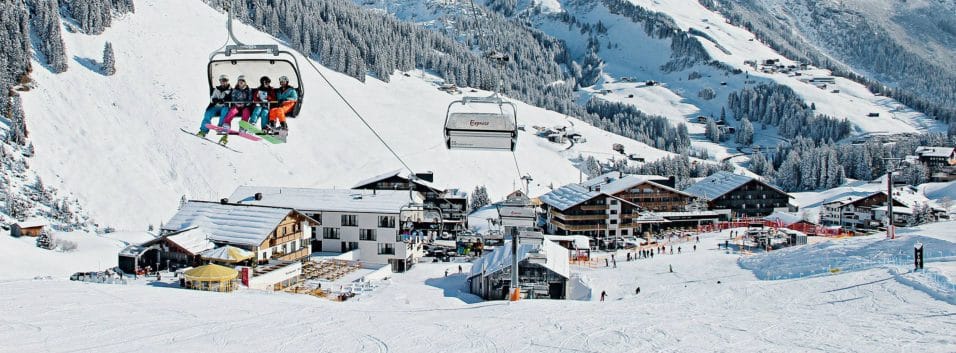
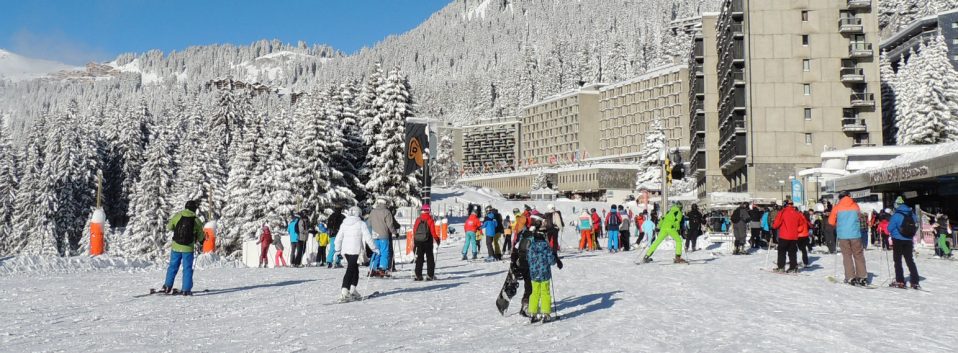
The transition from mountain to village is where après-ski culture lives or dies. The best ski resorts for après-ski have slope-side bars with music near the base of the main runs, so the natural end to a ski day flows seamlessly into the first drink of the evening without changing out of ski boots, catching a bus, or making any kind of decision. When the last run of the day ends at a sun-drenched terrace with live music or a DJ playing, the après-ski party atmosphere creates itself.
Village Layout & Density
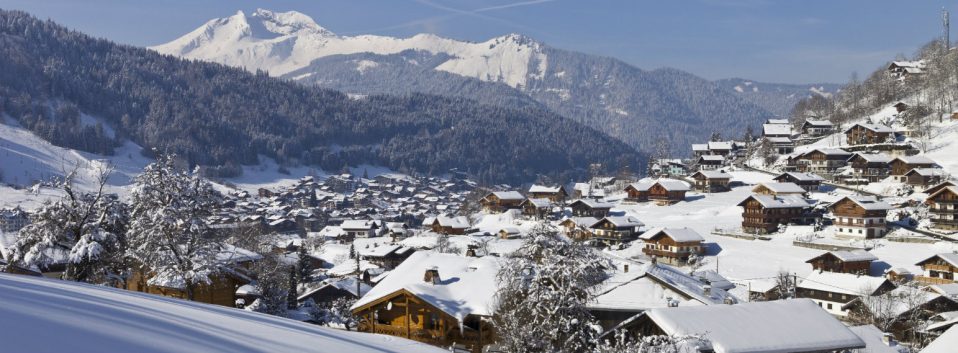
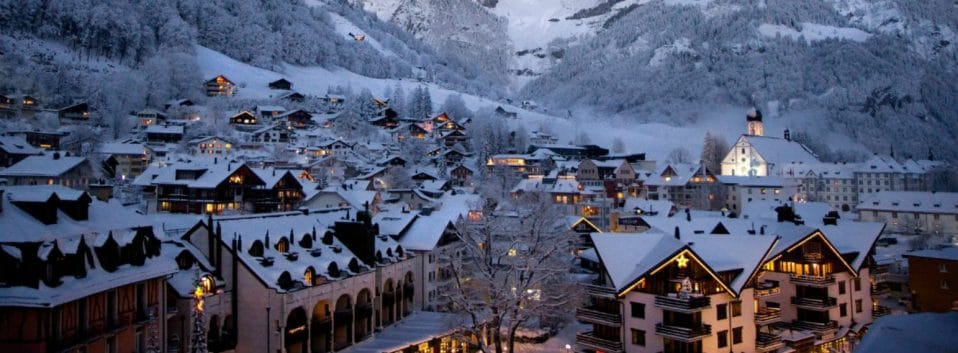
Village layout and compactness are a significant factor that most people don’t consider when booking. A resort spread across a wide area with bars and restaurants scattered far apart creates a fragmented, low-energy atmosphere even if the individual venues are excellent. The best après-ski resorts offer a choice of venues that are easily skiable or walkable, where skiers and non-skiers can meet to share their experiences, socialise and party before dispersing at the end of the ski day. World-renowned ski resorts with strong après-ski traditions, such as Ischgl, Saalbach, and St Anton in Austria; Alpe d’Huez, Val d’Isère, and Val Thorens in France; and Verbier and Zermatt in Switzerland all share this characteristic. Likewise, Aspen, Breckenridge, Park City, Steamboat, Telluride and Vail in the USA, and Whistler in Canada.
Bars, Restaurants & Other Amenities
The balance between mountain bars and village nightlife matters depending on what you’re looking for. Top resorts typically offer the best of both worlds: exceptional mountain restaurants and bars for traditional après-ski, a wide range of restaurants to suit all tastes and budgets, including fine-dining, as well as spa and wellness, and other activities and events. Smaller, less well-known resorts may offer good après-ski in the traditional sense from 3-6pm, but quiet by 9pm. We rate both dimensions separately and weight them based on the overall atmosphere the resort is known for, including charming resort village centres.
Social Atmosphere For All Age Groups
Happily, the best social atmosphere tends to exist at resorts where the skiing is also genuinely excellent; happy, tired skiers with something to talk about, and of all age groups, make the best après-ski crowd. Ski resorts that are primarily party destinations with mediocre skiing attract a different kind of visitor and a different kind of atmosphere. Typically, the top-ranked resorts for après-ski have great skiing credentials to match their après-ski reputations.
Après-Ski Resorts: Europe v North America
Après-Ski in Europe
Après-ski in Europe, particularly in Austria, is still the benchmark. Austria’s reputation has been built on a specific culture: slope-side bars with live music, schnapps shots, dancing, and an unapologetic commitment to having a good time that starts before the lifts close and continues late into the evening. Ischgl has positioned itself as the après-ski capital of the Alps with considerable justification; the resort actively hosts big-name concerts and events throughout the season. St Anton, Saalbach, and Zell am See offer a slightly more accessible version of the same culture.
Nowadays, new regulations in some of the best-known resorts in Austria have changed the atmosphere away from rowdy slope-side partying in favour of après-ski in the village. For example, police in St. Anton enforce a no-ski-boots rule in the centre of town after 8pm and have zero tolerance for disorderly conduct and public nuisance caused by intoxicated individuals. Likewise, strict local rules in Ischgl include fines of up to €2,000 for walking through the village centre in ski boots or carrying skis and snowboards between 8:00pm and 6:00 am.
Après-Ski in North America
Après-ski in North America is a genuinely different but equally valid experience. The rooftop bar culture of Colorado ski resorts, the live music scene in ski towns like Aspen and Telluride, and the ski-in/ski-out restaurant culture of the major Western resorts all offer a sophisticated social atmosphere that is less frenetic than the European model and sometimes higher quality. Historic Main Street in Park City, Utah, has great après-ski for most, if not all, tastes, and Whistler’s concentration of bars, restaurants, and live venues built around a pedestrian centre in a purpose-built village is among the best après-ski experiences in North America.