









What Makes A Ski Resort Great For Scenery?
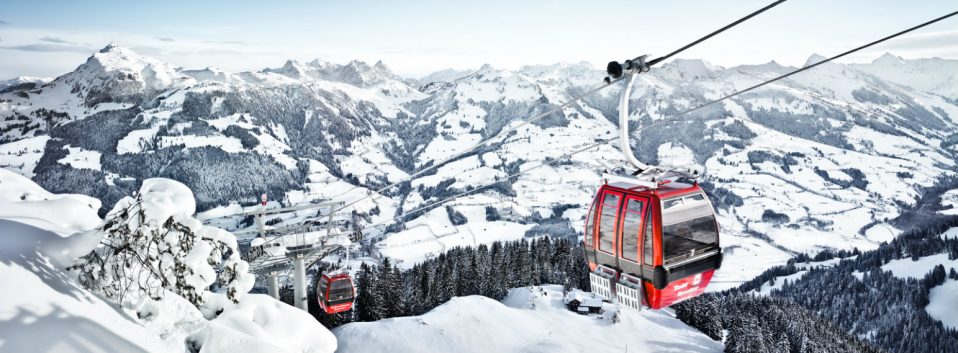
The best scenic ski resorts combine dramatic alpine panoramas with varied terrain that showcases the mountain landscape at its best. Peak altitude plays a key role with ski terrain topping 3,000m offering above-the-clouds views across entire mountain ranges. Iconic mountain peaks, such as the towering 4,000m summits of the Swiss Alps, the jagged Dolomite peaks of Italy, the Teton Range in Wyoming, the Elk Mountains in Colorado, and the glacier-carved peaks of the Canadian Rockies consistently produce the most breathtaking backdrops. Although nowadays glaciers are melting because of climate change, dramatic glacial terrain adds another dimension. Other factors, such as aspect and orientation, local weather patterns and climate, are similarly important as the most scenic resorts in the world are only scenic when you can see them clearly and in sunshine, ideally.
Scenic Ski Resorts
Scenery is the silent ingredient in a great ski holiday. You may not always notice it consciously, but compare a week skiing in a visually dramatic setting with a week in an unremarkable landscape and the difference in how the holiday feels is profound. The most scenic resorts don’t just give you runs to ski; they give you a backdrop that makes every descent feel like something worth remembering.
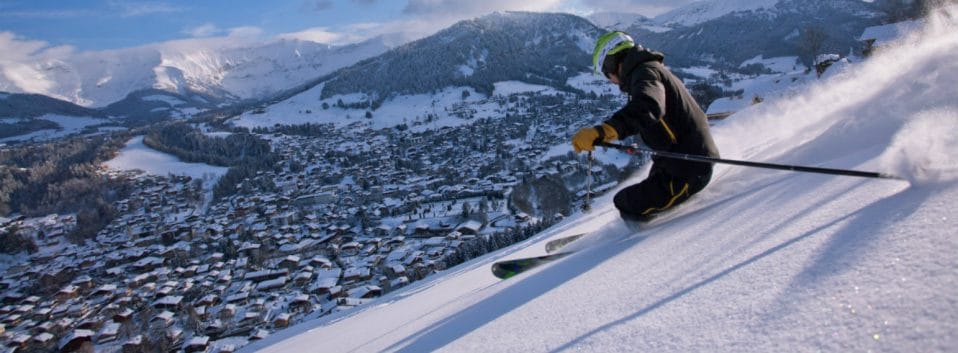
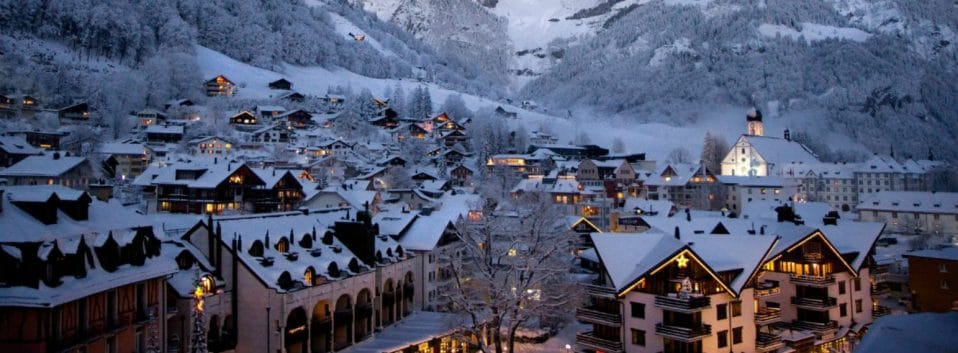
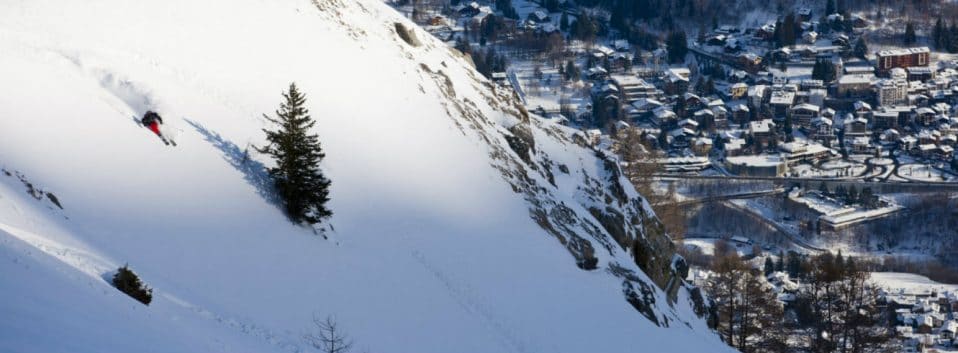
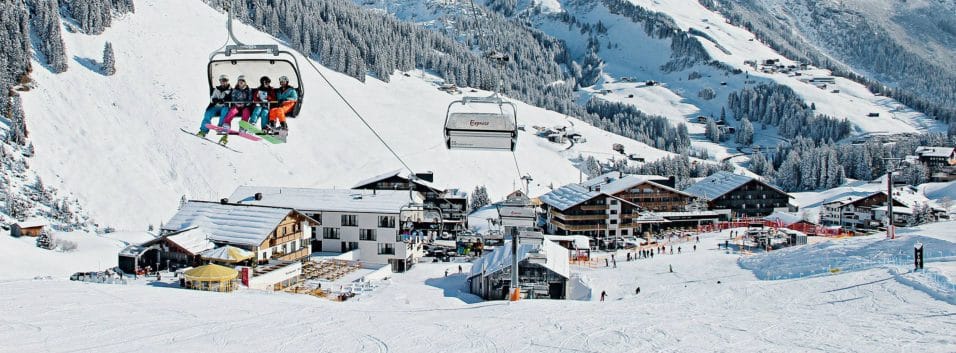
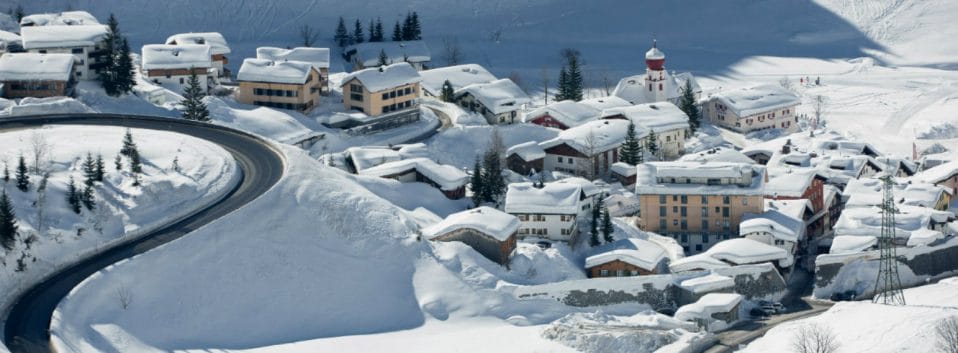
We’ve rated ski resorts for the quality and drama of their visual setting, using a combination of geography, geology, high-altitude mountain backdrops, and the landscape’s overall character. Also, the presence of iconic peaks, landmarks, and picture-postcard villages that make certain ski areas genuinely spectacular rather than merely attractive. Ski resorts where you’ll feel compelled to stop mid-run to take a photograph even when you’re wanting to keep on skiing.
What To Look For In A Scenic Ski Resort
Altitude & Backdrop
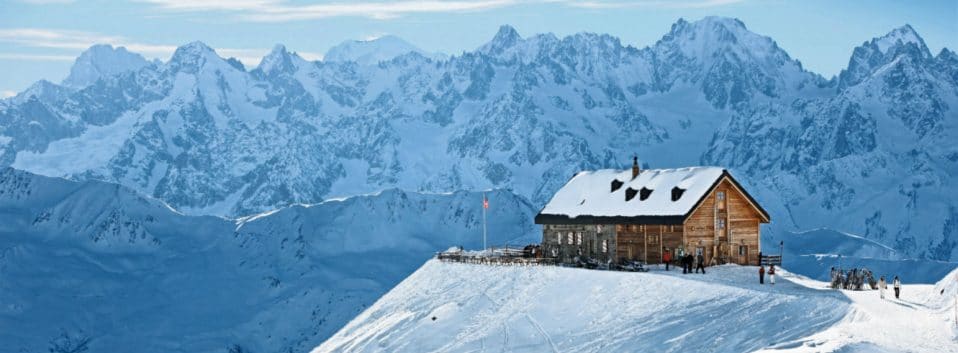
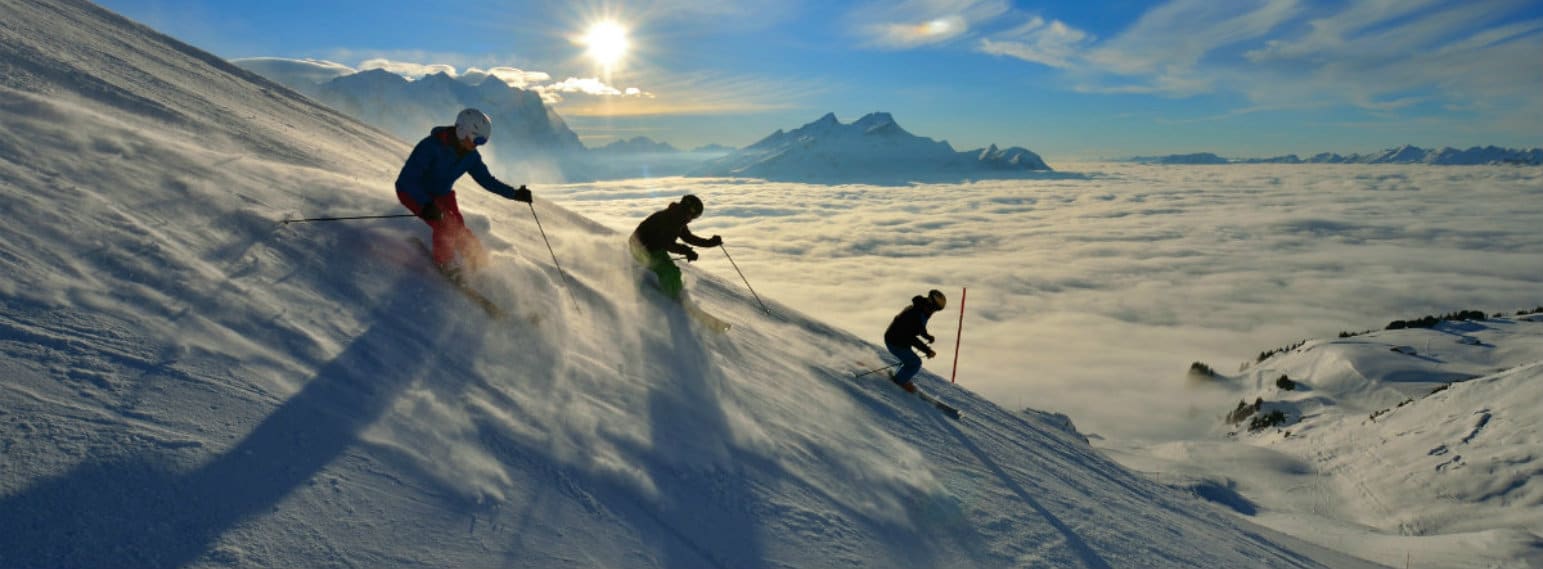
A high-altitude mountainous backdrop determines the scale of the panorama more than any other single factor. Resorts with accessible high points above 3,000m offer views across entire mountain ranges on clear days that lower resorts cannot match. The difference between the view from 2,000m and the view from 3,000m is not incremental, it’s categorical. Above a certain altitude you’re looking across the mountains rather than up at them, and the sense of scale changes completely.
Iconic Local Mountains
Iconic peaks in the immediate vicinity make a qualitative difference that statistics can’t fully capture. Skiing within direct sight of the Matterhorn, Mont Blanc, the Eiger, or the Grandes Jorasses is a genuinely different experience from skiing in a visually impressive but anonymous alpine landscape. The identity of an iconic mountain and other landmarks gives the scenery a focal point and a sense of place that elevates the visual experience beyond simply being high and white. We specifically look for resorts with identifiable, iconic peaks as their immediate backdrop rather than just impressive mountain scenery in general.
Landmarks
Important landmarks, such as glaciers, add a visual dimension that no amount of natural snowfall can replicate. The vast white expanses of an active glacier, the blue-green ice walls at the glacier’s edge, and the corniced ridgelines that form above heavily glaciated terrain are among the most visually dramatic features in the alpine landscape. Although climate change is badly impacting glaciers in the Alps, resorts with ski terrain on or directly adjacent to glaciers consistently produce some of the most spectacular high-mountain scenery, and the light on glacier snow at golden hour is in a category entirely of its own.
Aspect &Orientation
Aspect and orientation affect how the scenery changes throughout the day, significantly impacting the overall visual experience. West-facing slopes catch the afternoon alpenglow most dramatically; that deep orange and pink light that turns the mountains a completely different colour in the hour before sunset. Ski resorts with mixed aspects allow you to follow the sun around the ski area, experiencing dramatically different visibility at different times of day.
Weather & Visibility
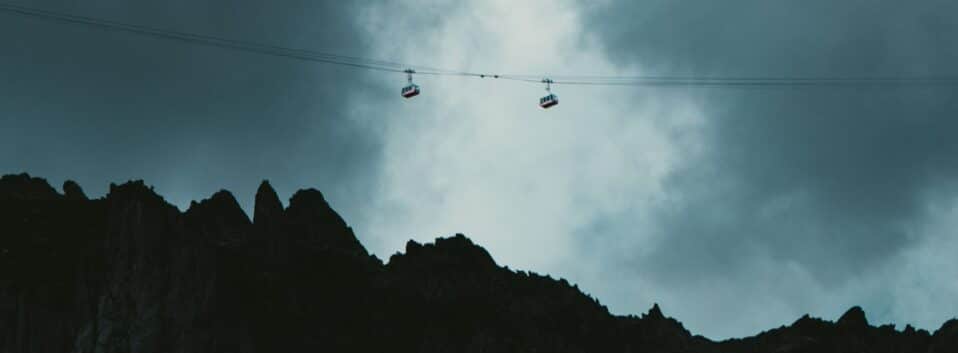
The most scenic resorts in the world are only scenic when you can see them. High altitude brings dramatic views on clear days and total whiteout conditions on bad ones. High-altitude resorts may also experience poor visibility when clouds obscure the upper mountain. The best ski resorts for scenery tend to be those where the combination of altitude, geography, and local climate produces the highest frequency of clear, blue-sky days during the ski season. A ski resort that is spectacular when visible but cloud-bound for half the season scores lower than one that is slightly less dramatic but reliably clear.
Scenic Ski Resorts: Europe v North America
Scenic Ski Resorts in Europe
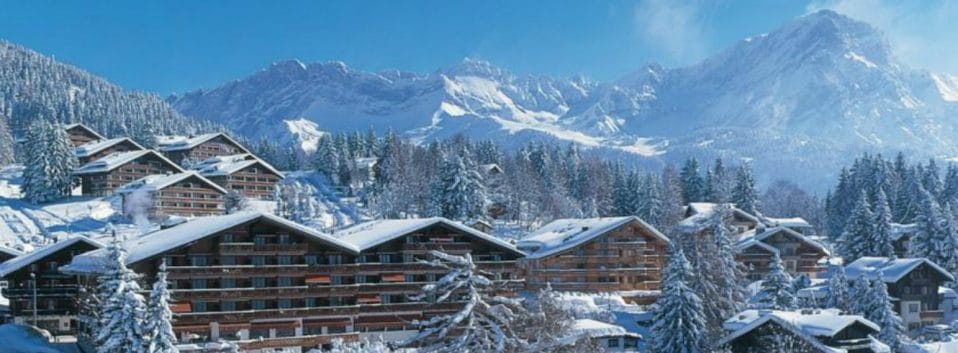
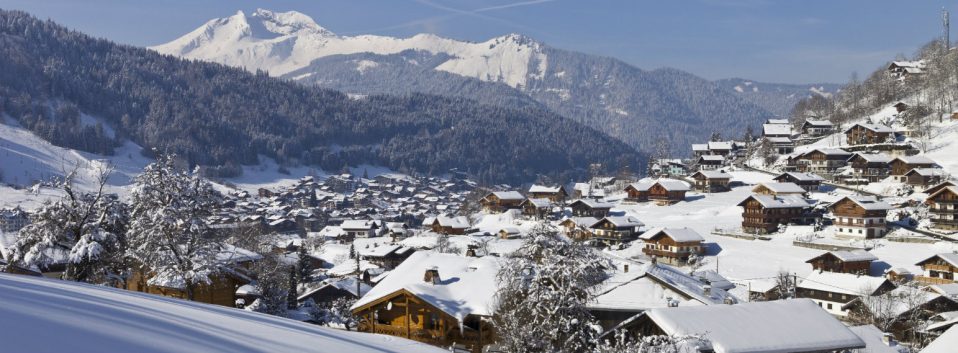
European alpine scenery is defined by the sheer density of high peaks in a relatively small area. The Western Alps contain more 4,000m summits than anywhere else in the world outside the Himalayas and Karakoram, and the best scenic ski resorts sit directly among them. Zermatt, with the Matterhorn rising 1,500m above the resort, is the defining example; a mountain so visually distinctive that it has become the global symbol of alpinism. The Dolomites of northern Italy offer a completely different but equally spectacular visual character, with vertical limestone towers and pale rock faces that glow pink and orange at sunrise and sunset, unlike anything else in the Alps.
Scenic Ski Resorts in North America
North American scenic skiing offers vast scale rather than concentrated drama. The open bowls and wide valleys of the Rocky Mountains, the volcanic peaks of the Pacific Northwest, and the granite walls of the Sierra Nevada all offer a visual grandeur that is distinctly North American in character; expansive rather than intimate, wide rather than vertical. On a clear day from the top of a major Colorado or Utah resort, the view extends for hundreds of miles across high desert and mountain ranges in a way with no European equivalent. Whistler Blackcomb in British Columbia combines Pacific coastal mountain drama with the scale of the Coast Mountains to produce some of the most visually impressive skiing in North America.